Updated on: 21 Dec 2025 | By Actual Article

Wearable technology has moved past the niche world of athletes and tech fans. Nowadays, it’s a practical tool for anyone who wants to improve their sleep, manage daily stress, or just stay more active. These devices have evolved from simple step-counters into reliable companions that translate complex body data into clear, actionable advice.
The holidays are a natural time to pause and think about your goals for the year ahead. This makes it a great window to invest in a device that actually supports your well-being, either as a gift for yourself or someone you care about. We’ve put together this guide to show you which products are actually worth the money and how they perform in the real world.
The popularity of wearable health tech comes down to a clear change in how we manage our lives. Most people are moving away from the old habit of only worrying about health when a problem starts. Instead, there is a push to stay ahead of things. Having a constant look at heart rate trends or sleep quality makes it easier to stay balanced before small issues turn into big ones.
The simplicity of these devices is what really makes them work. Most modern wearables stay out of the way and require zero medical expertise. The data builds a clear picture of your habits in the background while you go through your day. Eventually, you start to see the connections, like how a late meal affects your rest or how work stress impacts your heart rate. Seeing these patterns in real time provides the kind of motivation that’s hard to get from a standard doctor's visit once a year.
Fitness trackers remain the entry point for most people into wearable health tech. They are lightweight, affordable, and focused on daily habits rather than performance extremes.
Fitbit remains a top choice for health tracking across the globe. The Charge 6 monitors steps, heart rate, and sleep quality with high precision, while also keeping an eye on blood oxygen levels. People choose this model for its balance. It provides deep insights into your health without making the data feel overwhelming or difficult to read.

Beyond basic fitness, the device includes tools for stress management and breathing exercises. These features are particularly helpful for staying grounded during a busy holiday schedule. This tracker works well for anyone looking for consistent, gentle accountability to help them stay on track with their wellness.
The Xiaomi Smart Band series continues to be a global favorite for anyone who wants dependable health tracking on a budget. The Smart Band 8 covers all the essentials, including heart rate monitoring, sleep analysis, and blood oxygen levels. It also automatically detects various types of workouts, making it a versatile tool for daily activity.
One of the biggest draws is the battery life. These devices often last over a week on a single charge, which is a significant advantage for those who prefer not to worry about a nightly charging routine. Its popularity across Europe and Asia shows that high-quality health insights can be accessible and affordable for everyone.
Smartwatches provide a mix of health monitoring and daily utility. These devices offer a deeper look at your body while handling many of the quick tasks typically reserved for a phone.
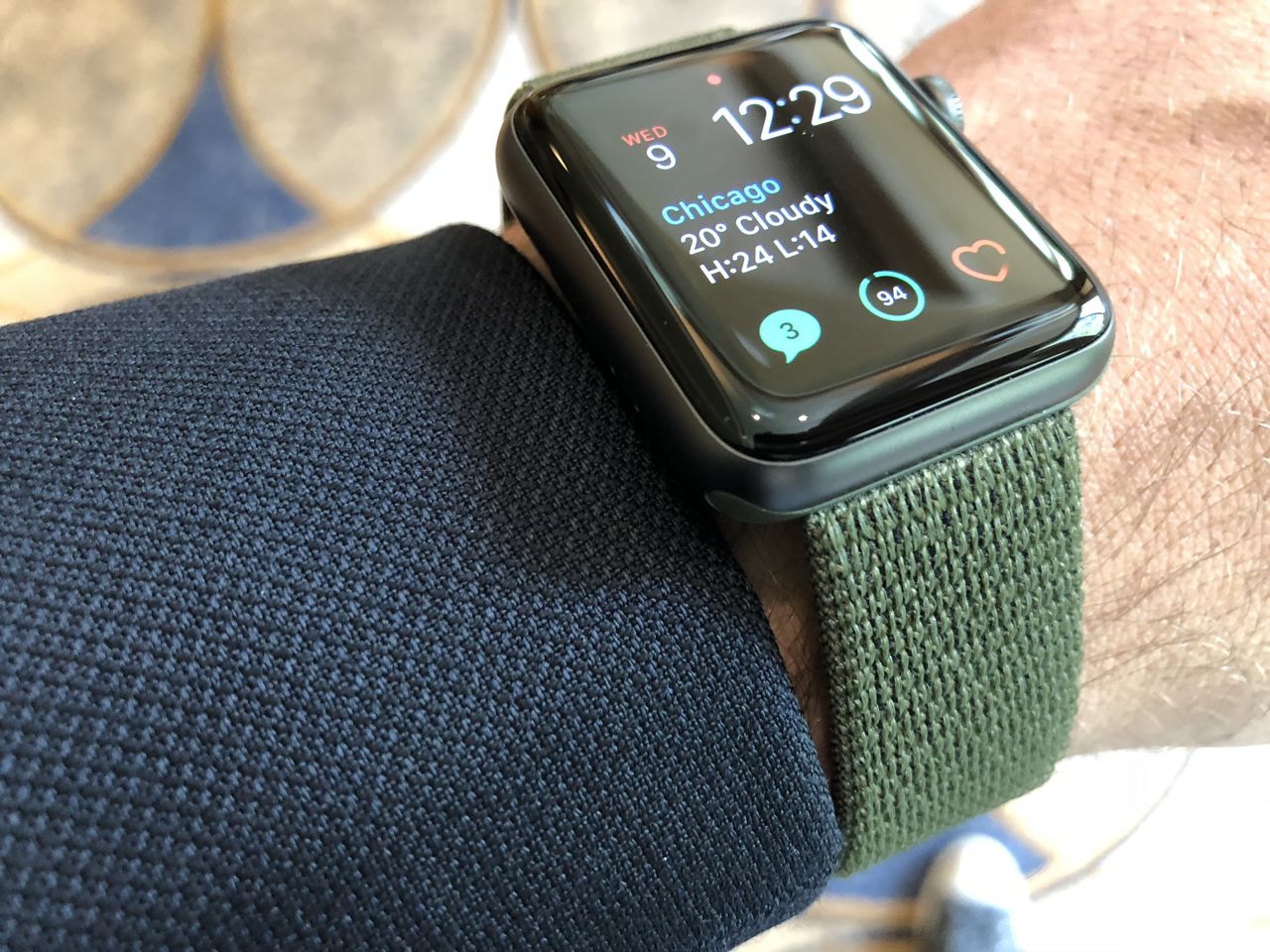
The Apple Watch stands as one of the most advanced health tools available to the general public. It goes far beyond basic fitness by monitoring heart rhythm patterns, tracking sleep stages, and even detecting falls with emergency SOS support. For those already using Apple products, the watch connects instantly with existing health apps and medical records. It serves as a reliable choice for anyone who wants to stay connected while keeping safety and health features close at hand.
The Galaxy Watch 6 is a staple for Android users around the world. This model features body composition analysis, heart rate tracking, and stress monitoring. A major highlight is the sleep coaching system, which moves past simple data to provide clear, personalized suggestions.
Sleep serves as the bedrock for both physical and mental well-being, yet it remains easy to overlook. The rise in sleep-specific technology stems from a common frustration: feeling exhausted despite spending enough time in bed. These tools aim to uncover the reasons behind poor rest.
The Oura Ring is a highly regarded choice for tracking rest and recovery. By wearing it on a finger rather than a wrist, the device captures heart rate variability and body temperature with high precision. Instead of simply counting hours, the insights focus on "readiness," showing how well the body has recovered from the previous day. This makes it a favorite for professionals and anyone looking to manage high levels of stress or fatigue.
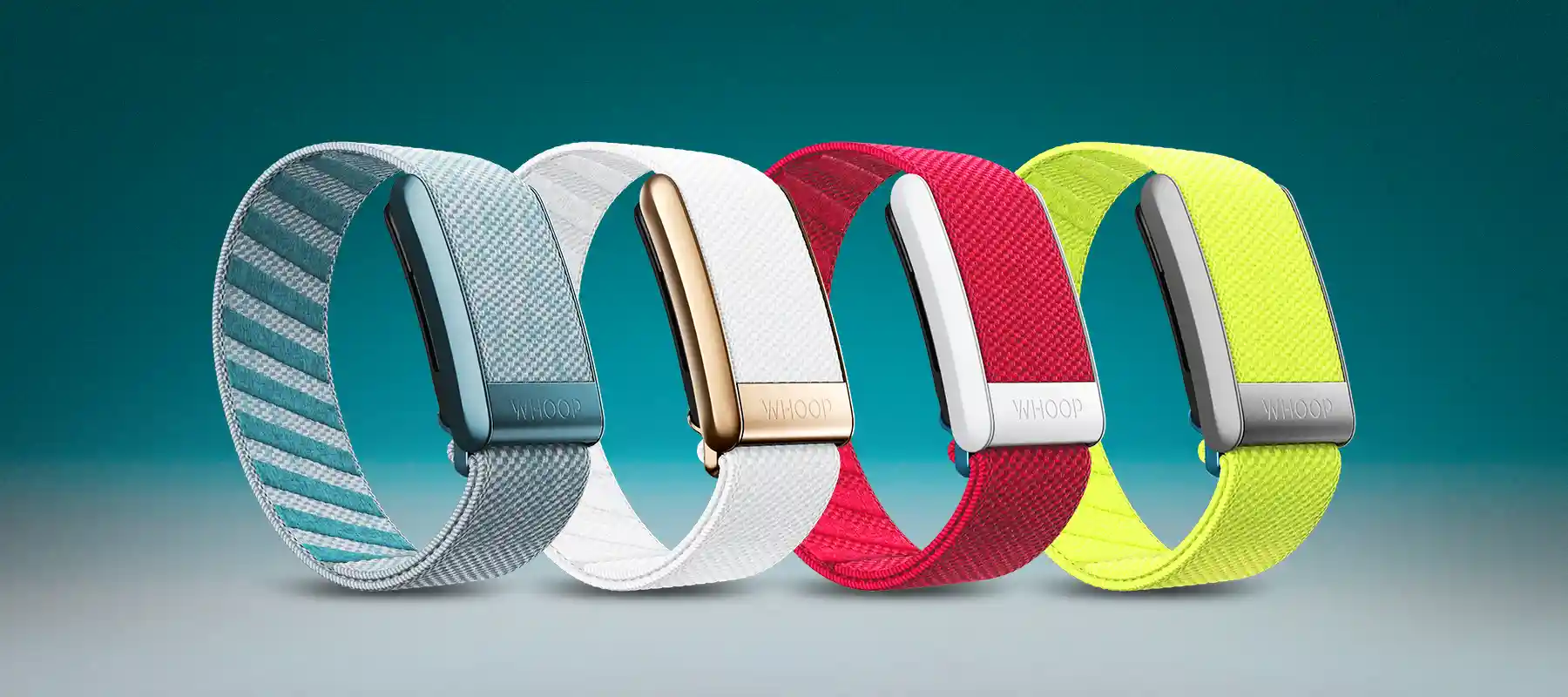
WHOOP operates with a focused, screen-free design. Its entire purpose is to measure recovery, physical strain, and sleep quality. By looking at resting heart rate and sleep patterns, the device helps determine when the body is ready for a challenge and when it needs a break. While originally popular with athletes, it has found a place with daily users who want clear, data-driven health insights without the constant distractions of a screen.
The most advanced gadget on the market might not be the right fit for everyone. The best choice depends entirely on your daily habits and what you want to achieve.
For those focused on general activity - like counting steps, tracking light exercise, or getting a basic look at sleep - a fitness band is often the most practical option. These devices are lightweight and handle the essentials perfectly. If you need a more robust tool that includes notifications, safety features, and deeper health data, a smartwatch is a better move. Meanwhile, those who want to prioritize recovery, stress management, and sleep quality will find that specialized tools provide the most specific insights.
In the end, consistency matters most. A simple tracker that you wear every day will always be more effective than a high-end device that stays on the charger.
Health wearables stand out as thoughtful gifts because they offer value that lasts long after the holiday season. Unlike standard gadgets that might lose their appeal after a few weeks, these tools provide ongoing benefits by helping people move more, sleep better, and understand their bodies.
These devices also work for almost any age group. Younger users often enjoy the motivation of tracking workouts and daily steps, while older users can benefit from heart health monitoring and safety features like fall detection. Most importantly, a wearable health device feels personal. It’s a gift that shows you care about someone’s well-being without being overbearing.
Are wearable devices accurate enough to trust? While these tools are not medical-grade equipment, modern sensors provide high accuracy for tracking daily trends. They work best for spotting patterns in your health over several weeks rather than diagnosing a specific medical condition.
Can these devices replace doctor visits? No. Wearable technology is designed to help with daily awareness and prevention. It should be used alongside professional medical advice, not as a substitute for it.
Which device tracks sleep most effectively? The Oura Ring Gen 3 and WHOOP Strap 4.0 are top choices for sleep monitoring. Their focus on recovery and heart rate variability gives a much clearer picture of rest than most standard trackers.
Do fitness trackers work without a smartphone? Most devices can store data for a short time, but you generally need a smartphone to see detailed insights, sync your progress, and install software updates.
Are these tools helpful for older adults? Yes. Features like heart rate monitoring, fall detection, and emergency alerts make them very useful. Many models are straightforward to use and offer significant peace of mind for older users and their families.

In 2025, health technology is less about displaying flashy stats and more about gaining a better understanding of how your body works. These devices provide quiet support for building healthier routines, helping you recognize poor sleep habits, stay active through the winter, or handle stress more effectively.
As the holidays approach, choosing the right wearable for yourself or someone else is a practical way to prioritize well-being. It’s a meaningful step toward a healthier and more balanced year ahead.