Why Electric Toothbrushes Dominate Modern Dentistry
Electric toothbrushes have transformed from luxury gadgets to essential oral health tools, recommended by 9 out of 10 dentists worldwide. Unlike manual brushes, these technologically advanced devices deliver 8,000-40,000 brush strokes per minute, which are physically impossible to replicate manually. This superior cleaning power addresses critical dental challenges:
- Plaque Removal: Electric brushes remove 21% more plaque than manual alternatives (Cochrane Oral Health Study)
- Gum Health: Reduce gingivitis by 11% more effectively after 3 months of use
- Accessibility: Ideal for arthritis patients, orthodontic wearers, and children
Sonic vs Oscillating: Technologies Explained
The fundamental divide in electric toothbrush technology lies between sonic high-frequency vibration and oscillating-rotating movement, each with distinct mechanisms and benefits.

Sonic Technology Explained:
- Mechanism: Generates 31,000-62,000 brush strokes per minute through high-frequency vibration
- Cleaning Action: Creates dynamic fluid streams that clean up to 4mm beyond bristle tips
- Best For: Users with wider spacing between teeth, those preferring sweeping motions
- Noise Level: Higher-pitched hum (45-55 dB)
- Representative Brands: Philips Sonicare, SURI, Colgate Hum
Oscillating-Rotating Technology:
- Mechanism: Circular brush head rotates 8,800 times per minute while pulsating inward
- Cleaning Action: Mechanical scrubbing action with micro-vibrations to break up plaque
- Best For: Targeted cleaning, orthodontic patients, those preferring circular brushing technique
- Noise Level: Lower-pitched buzz (50-60 dB)
- Representative Brands: Oral-B (Braun), some Aquasonic models
Clinical Comparison:
- Plaque Removal: Oscillating models show 7% better plaque removal in 3-month studies (Journal of Dentistry, 2019)
- Gingival Health: Both technologies show comparable gingivitis reduction when used properly
- Stain Removal: Sonic brushes demonstrate superior surface stain reduction
- Sensitivity: Oscillating models may cause less gum irritation for those with recession
Choosing Your Technology:
- Select Sonic If: You have sensitive gums, want quieter operation, prefer traditional brushing motion
- Choose Oscillating If: You wear braces, have crowded teeth, want proven plaque removal efficacy
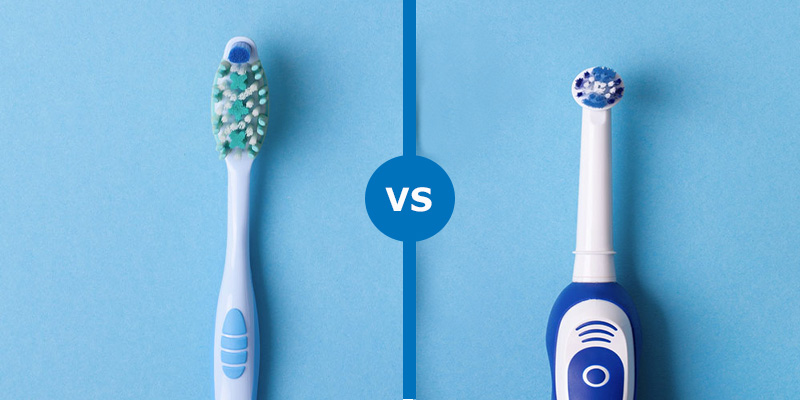
Electric vs. Manual: The Definitive Comparison
Scientific Verdict
- Plaque Removal: Electric brushes eliminate 21% more biofilm (Cochrane Oral Health Group)
- Gingivitis Prevention: 11% greater reduction after 3 months of use
- Accessibility: 72% more effective for arthritis/orthodontic patients (Journal of Periodontology)
Pros and Cons Breakdown
|
Aspect
|
Electric Brush
|
Manual Brush
|
|
Effectiveness
|
✅ Superior plaque removal
✅ Built-in timers ensure 2-minute brushing
|
❌ Technique-dependent results
❌ 55% under-brush
|
|
Safety
|
✅ Pressure sensors prevent gum damage
✅ Consistent gentle pressure
|
❌ High risk of over-scrubbing
❌ Gum recession in 30% of users
|
|
Convenience
|
❌ Requires charging
❌ Brush head replacements (£10-£15/3mo)
|
✅ No charging needed
✅ Ultra-portable
|
|
Specialized Care
|
✅ Modes for sensitivity/whitening/braces
✅ Interdental fluid dynamics
|
❌ One-size-fits-all approach
|
|
Long-Term Cost
|
❌ £150-£400 (3-year total)
|
✅ £30-£60 (3-year total)
|
Verdict: Electric brushes win for efficacy and gum protection, while manual brushes suit budget-focused users with impeccable technique.
Mastering Electric Brush Technique: Step-by-Step Guide
Optimal Brushing Protocol
Pre-Brush Prep
- Floss first to dislodge interdental debris
- Apply pea-sized fluoride toothpaste (excess foam reduces efficacy)
Positioning & Motion
- Hold brush at 45° angle toward gumline
- Divide mouth into 4 quadrants (30 seconds each)
- Let the brush do the work—no scrubbing! Glide slowly tooth-by-tooth
Surface Coverage
- Outer surfaces: Place bristles on gumline, move systematically
- Inner surfaces: Tilt brush vertically behind front teeth
- Chewing surfaces: Hold flat with light pressure
Post-Brush Care
- Rinse head under running water
- Store upright to air-dry (prevents bacterial growth)
Critical Mistakes to Avoid
- Over-Pressing: Triggers sensor warnings on 85% of premium models
- Fast Hand Movement: Reduces cleaning efficiency by 40%
- Ignoring Quadrants: 73% of users miss inner lower teeth
Life-Changing Benefits Backed by Science
- 30% Fewer Missed Spots: Smart pressure sensors prevent over-brushing while ensuring complete coverage
- Built-In Timers: 97% of users brush for dentist-recommended 2 minutes vs. 45% with manual brushes
- Specialised Modes:
- Sensitive (5,000 RPM)
- Whitening (oscillations + polishing)
- Gum Care (pulsating massage)
- Tongue Cleaning (low-frequency setting)
Best Electric Toothbrush UK: Top Picks
Navigating the UK electric toothbrush market requires attention to local availability, voltage compatibility, and regional dental recommendations. British consumers benefit from robust consumer protections and access to leading EU and global brands, though post-Brexit shipping considerations may apply for some models.
Leading UK-Suitable Models:
- Oral-B iO Series 9: Features UK plug compatibility and app functionality fully optimized for NHS dental guidelines. Its magnetic drive technology provides exceptionally quiet operation ideal for shared British bathrooms.

- Philips Sonicare DiamondClean 9000: Offers 100-240 voltage flexibility and comes with UK-specific customer support. Its premium travel case includes USB charging, eliminating plug adapter concerns.

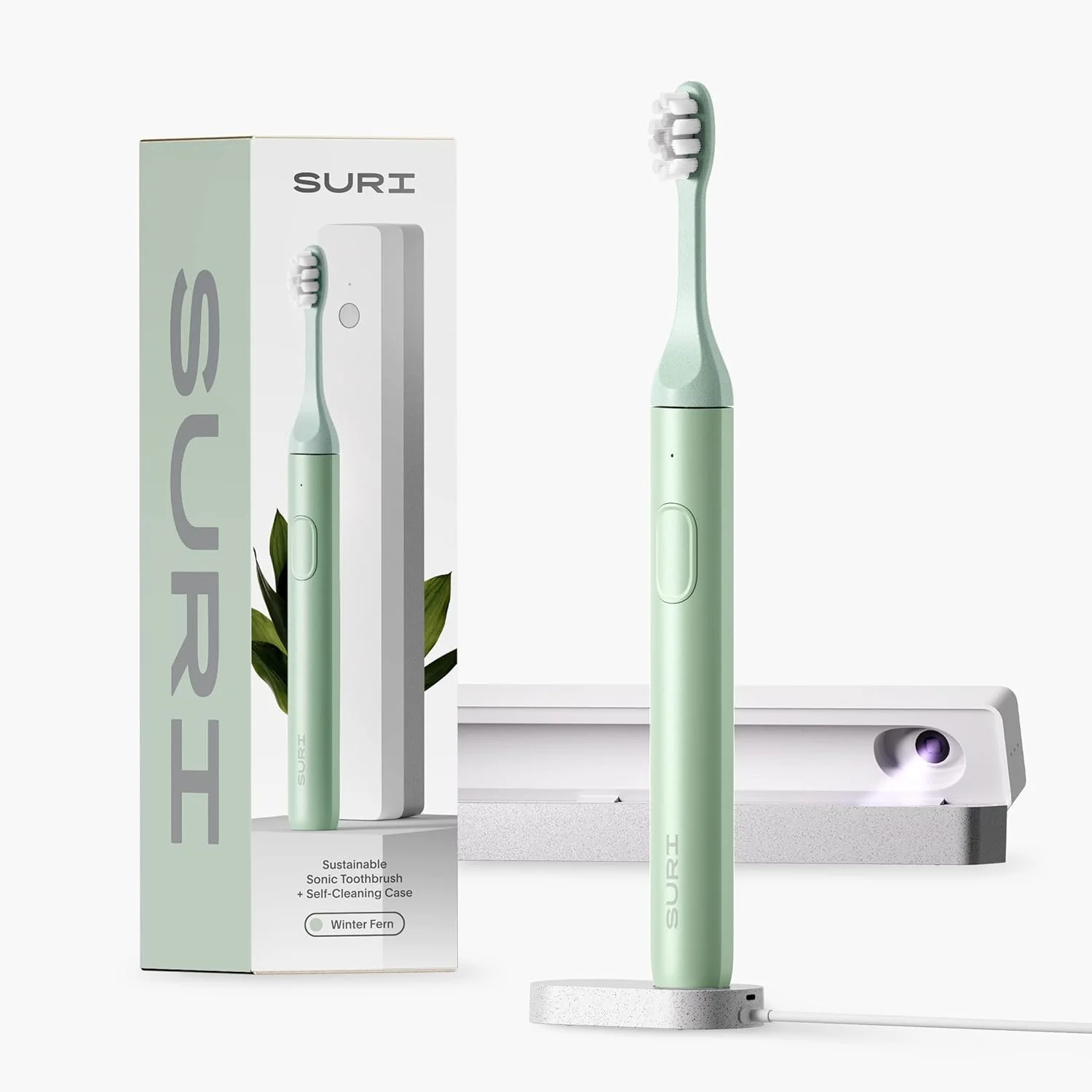
- Suri Sustainable Toothbrush: London-based company offering recyclable brush heads through Royal Mail returns program. Bamboo-based handle and vegan bristles appeal to eco-conscious UK buyers.
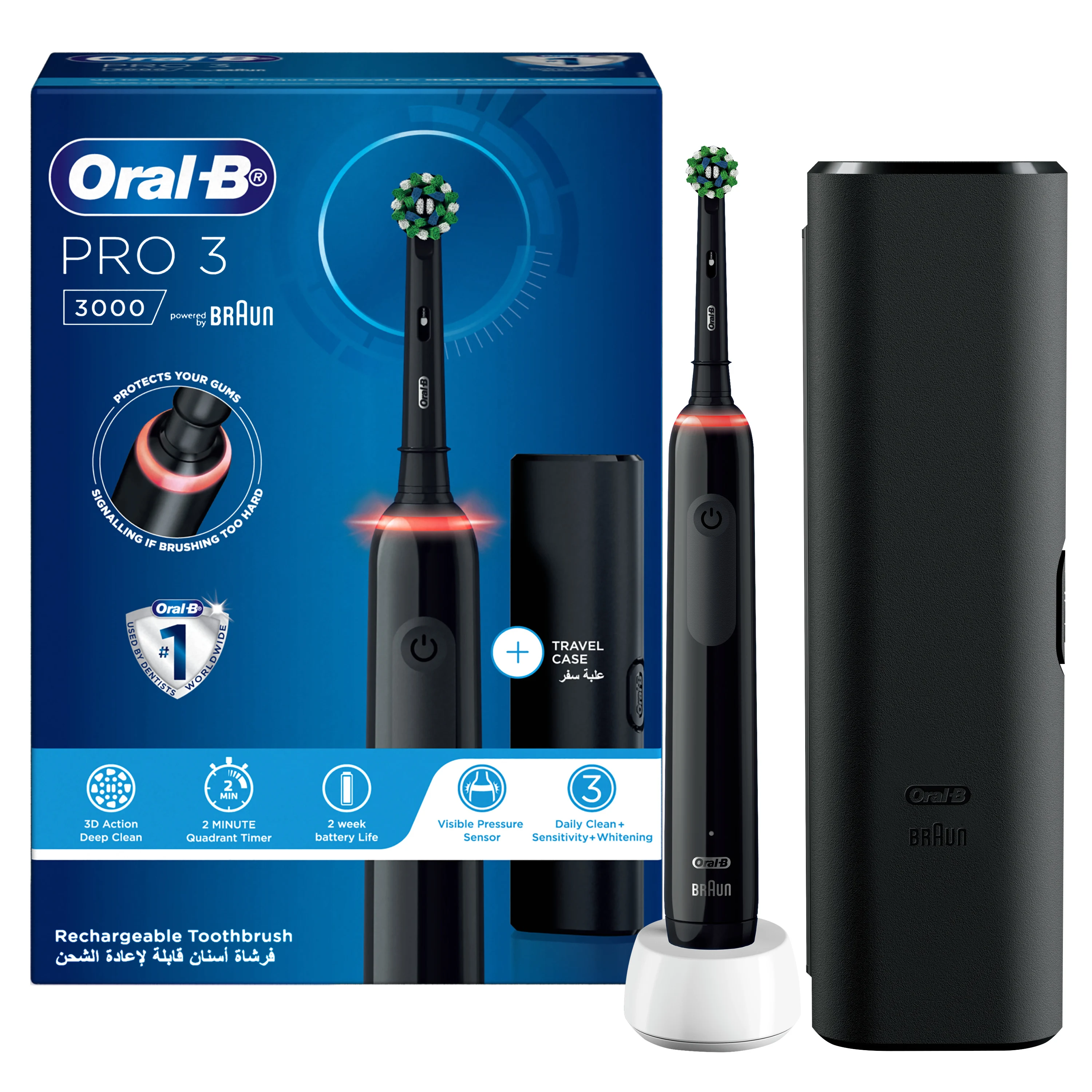
- Oral-B Pro 3 3000: Budget-friendly option available at Boots and Superdrug, featuring NHS-endorsed 2-minute timer and pressure sensor technology.
UK-Specific Considerations:
- Water Hardness Adaptation: Models with extra-soft bristle options recommended for limestone-rich water areas
- NHS Dental Partnerships: Some brands offer direct discounts through NHS Smile program
- Warranty Services: UK-based repair centers available for Philips and Oral-B models
- High Street Availability: John Lewis, Argos, and Currys PC World often price-match online offers
Price Comparison Guide:
- Premium Models (£200-£300): Full smart connectivity and multiple cleaning modes
- Mid-Range (£80-£150): Core features without advanced tracking
- Budget Options (£30-£70): Basic timer and pressure alert functionality
Electric Toothbrush Types Compared
|
Type
|
Price Range
|
Best For
|
Key Features
|
|
Basic Rotary
|
£15-£30
|
First-time users
|
1 speed, 2-min timer
|
|
Sonic Mid-Range
|
£40-£80
|
Gum health focus
|
3 modes, pressure sensor
|
|
Smart Brushes
|
£100+
|
Tech enthusiasts
|
Bluetooth tracking, AI coaching
|
|
Travel Models
|
£25-£50
|
Frequent flyers
|
Compact cases, global voltage
|
Toothbrush for Sensitive Teeth: Gentle Yet Effective Solutions
For the 1 in 3 adults experiencing tooth sensitivity, electric toothbrush selection requires careful consideration of bristle design, motion technology, and specialized modes to prevent discomfort while maintaining cleaning efficacy.
Key Features for Sensitivity:
- Pressure Sensors: Essential feature that illuminates warning light when brushing too forcefully
- Soft Bristle Options: Look for "extra-soft" or "sensitive" brush heads with 0.01mm filament tips
- Dedicated Modes: Sensitivity-specific programs that reduce speed and intensity by 30-40%
- Round Brush Heads: Smaller surface area allows more precise pressure control
Recommended Models for Sensitivity:
- Philips Sonicare ProtectiveClean 6100: Features Gum Health mode with gradually increasing intensity and pressure sensor with haptic feedback
- Oral-B iO Series 4: Includes Sensitive mode with reduced oscillations and interactive display showing real-time pressure control
- Waterpik Sonic-Fusion 2.0: Combines flossing and brushing with adjustable pressure settings for sensitive gums
- Burst Sonic Toothbrush: Charcoal-infused extra-soft bristles and gentle vibration patterns designed specifically for sensitivity
Brushing Technique Adjustments:
- Use non-abrasive toothpaste specifically for sensitivity
- Avoid horizontal scrubbing motions even with electric brushes
- Focus on 45-degree angle toward gumline without pressing aggressively
- Consider desensitizing toothpaste applied to sensitive areas for 2 minutes before brushing
Additional Considerations:
- Desensitizing Pre-Treatments: Some dentists recommend applying sensitivity toothpaste to affected areas before brushing
- Water Flosser Integration: Helps clean sensitive areas without physical contact
- Professional Consultation: Severe sensitivity may indicate underlying issues requiring dental evaluation
Maintenance for Sensitive Teeth:
- Replace brush heads every 6-8 weeks as bristles soften and lose effectiveness
- Avoid sanitizing methods that harden bristles (hot water, UV light)
- Store brushes upright to prevent moisture-related bristle degradation
Choosing Your Perfect Match: 5 Critical Factors
Brush Head Compatibility:
- Cross-action (Oral-B) vs DiamondClean (Sonicare)
- Availability of orthodontic/sensitive heads
Battery Performance:
- Entry-level: 7-10 days per charge
- Premium: 3+ weeks with quick-charge (3hrs = 1 week use)
Smart Features:
- Real-time pressure alerts
- Position detection via app
- Brushing history tracking
Noise Levels:
- Rotary: 50-60 dB (like shower running)
- Sonic: 45-55 dB (office background)
Accessories:
- UV sanitizers
- Travel cases with charging
- Multiple brush head storage
Maintenance Mastery: Extend Your Brush's Life
- Head Replacement: Every 3 months (or when blue indicator fades)
- Deep Cleaning: Weekly - remove head, clean shaft with cotton swab
- Charging Habits: Avoid continuous charging; discharge fully monthly
- Storage Solutions: Use ventilated stands to prevent bacterial growth
Top Questions Answered
Q: Are electric brushes safe for dental work?
A: Yes - use sensitive mode around crowns/veneers. Avoid ultrasonic near loose fillings.
Q: Can children use electric brushes?
A: Recommended from age 3 with kid-sized heads (6,000-8,000 RPM models)
Q: How much toothpaste should I use?
A: Pea-sized amount - excessive foam reduces effectiveness
The Future of Electric Brushing
- AI-Powered Diagnostics: Cameras detecting early cavities
- Saliva Sensors: Real-time pH and bacteria monitoring
- Sustainable Tech: Bamboo-handle models with recyclable heads
Transform Your Oral Care Today
Ready to experience the electric brushing revolution? Explore our curated selection of clinically-proven electric toothbrushes:
Discover Your Perfect Electric Toothbrush from Best Brands