Home > Women Clothing > Clothing
Updated on: 13 Jan 2026 | By Actual Article

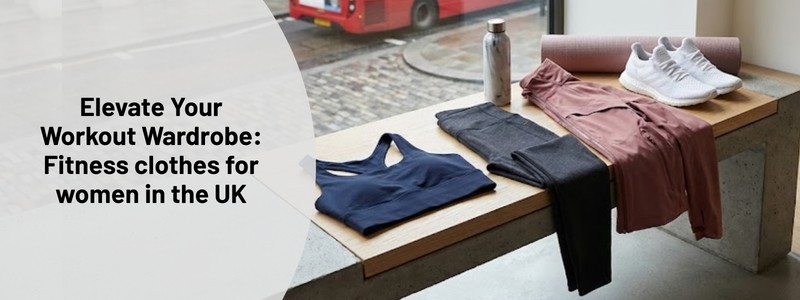
The right workout clothes do more than look good — they help you move better, stay comfortable, and keep training consistent. Whether you roll out a mat for yoga, head to the weights area for a strength session, or mix both in a HIIT-plus-stretch routine, choosing the correct sportswear affects performance, injury risk and confidence. This guide walks you through the top categories — sports bras, leggings, tops, footwear, and accessories — and gives practical buying advice, brand data, industry context and future trends. I’ve written this in a straightforward, human tone so you can read it, pick what fits your routine and make smarter purchases that last.
A sports bra is the single most important purchase for most active women. It must control bounce, distribute weight and feel comfortable for long sessions. Low-impact bras (light padding and thin straps) are perfect for yoga and Pilates. Medium-impact bras are versatile for most gym work. High-impact bras use wider straps, stronger bands and compression or encapsulation designs for running and high-intensity interval training. Try on different types: compression bras press the chest against the torso, while encapsulation bras support each breast separately — many women find a hybrid design the most comfortable.
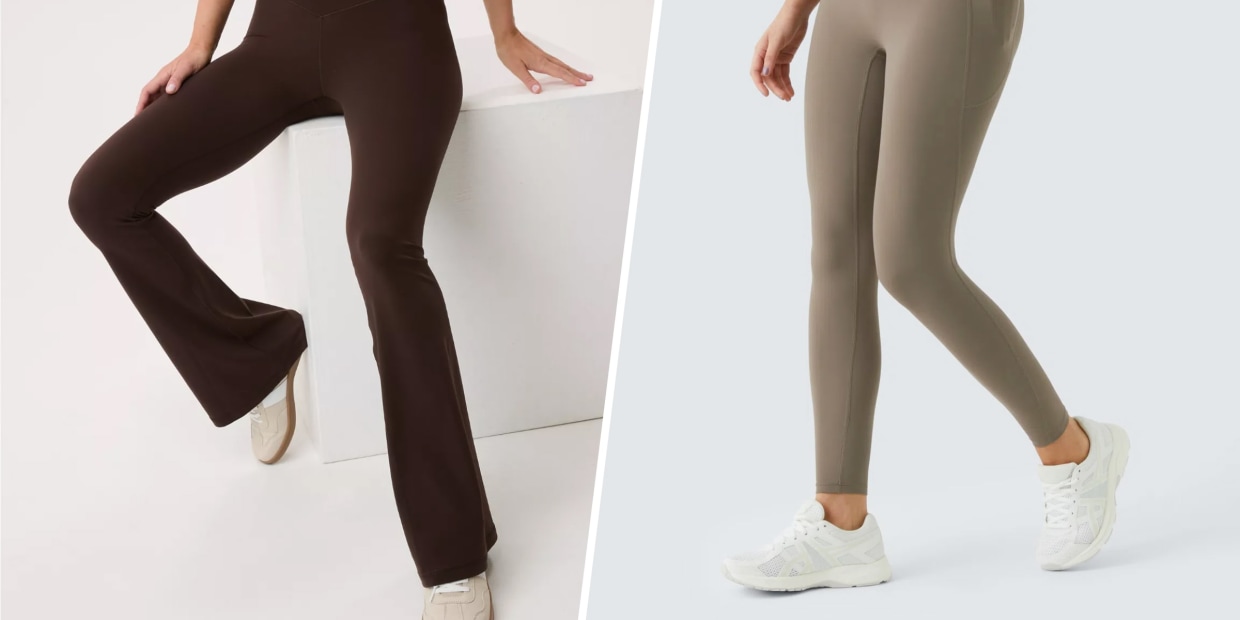
Leggings should be squat-proof, breathable and have a waist that stays put. High-waist styles offer extra core support and a smoother silhouette, while cropped or full-length options depend on climate and personal preference. Look for four-way stretch fabrics with a blend of nylon or polyester plus elastane. Seam placement affects comfort during long holds in yoga and heavy lifts in the gym — flatlock seams reduce chafing, and gusseted crotches improve mobility.
Tanks and tees for training should balance coverage with airflow. For yoga, slightly looser tanks over fitted bras are common; in the gym, fitted moisture-wicking tops reduce snagging on equipment. Details to watch: underarm cut, sleeve length, and whether the fabric breathes enough during cardio.
Running shorts and gym shorts with built-in liners are ideal for high-sweat sessions. For hot-weather outdoor workouts or cycling classes, shorts with pockets and reflective details add convenience and safety.
Yoga is typically barefoot, but grip socks add traction for studio classes. For gym work, choose shoes based on your main activity: running shoes with cushioning for treadmills and road running; cross-trainers for classes and weight work; minimalist trainers for stability-focused lifting. The right shoe improves balance and reduces impact across exercises.
A good mat, water bottle, resistance bands, and a lightweight zip-up for warm-ups complete a kit. Headbands and anti-slip sprays keep hair and hands from interrupting flow. A compact laundry routine (delicates bag, air-dry) preserves performance fabrics.
Below is a concise, up-to-date snapshot of leading brands and recent revenue figures for context — useful when you want to compare scale and brand investment in product innovation.
|
Brand |
Notable focus |
Recent annual revenue (selected year) |
|
Lululemon |
Premium yoga & athleisure |
|
|
Nike |
Broad sportswear, strong women’s lines |
Revenues for NIKE, Inc. ~ $51.4 billion (FY 2024). |
|
Adidas |
Global athletic & lifestyle |
|
|
Gymshark |
DTC-first, social-driven gym wear |
A few notes: Lululemon’s business still leans heavily on women’s products — in recent filings the company noted a large share of revenue comes from women’s ranges, underlining the brand’s dominance in yoga and premium leggings.
The activewear market continues to expand as fitness and casual wear converge. Market research shows the global activewear market is substantial and growing, driven by athleisure, rising fitness participation and product innovation. One leading market report estimates a multi-hundred-billion-dollar global activewear industry with significant projected growth by 2030 — a trend that fuels investment in better fabrics, fit technology and sustainable materials.
Major sporting events and fitness trends shape product demand. Professional tennis and running events highlight performance fabrics and supportive bras; CrossFit and studio trends push durable, flexible gear for functional movement. Brands often launch limited-edition collections around events, and sponsorships help popularize specific silhouettes and technologies.
Q: How do I know my sports bra fits correctly?
A: The band should be snug and level across your chest; straps shouldn’t dig; a good fit minimizes movement without restricting breathing.
Q: Are expensive leggings worth it?
A: Higher price often reflects better materials, construction, and durability — but fit and comfort matter more than label. Try mid-range options from reputable brands if you’re budget-conscious.
Q: What’s the best fabric for yoga?
A: Nylon-spandex blends balance grip, stretch and durability. Organic cotton can be comfortable but usually isn’t as moisture-managing.